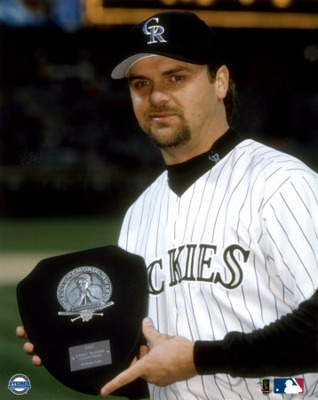
89. RF Larry Walker, Colorado Rockies
Walker got to the Majors with the Montreal Expos in 1989. In 1990, he emerged as a top prospect and was named to the Topps All-Rookie Team. In 1992, Walker participated in the Home Run Derby, played in the All-Star Game, won a Silver Slugger Award and won a Gold Glove Award. He won a Gold Glove Award in 1993. He was suspended for four games for charging the mound in 1994. He went to the Rockies in 1995. He won a Player-of-the-Week Award in 1996. In 1997, he won two Player-of-the-Week Awards, won a Player-of-the-Month Award, participated in the Home Run Derby, played in the All-Star Game, finished the season with 49 home runs and 33 stolen bases, won a Silver Slugger Award, won a Gold Glove Award and was named the National League Most Valuable Player. In 1998, he played in the All-Star Game, won the National League Batting Title and won a Gold Glove Award. In 1999, he won a Player-of-the-Week Award, participated in the Home Run Derby, played in the All-Star Game, won the National League Batting Title, won a Silver Slugger Award and won a Gold Glove Award. In 2001, he played in the All-Star Game, won the National League Batting Title and won a Gold Glove Award. In 2002, he won a Player-of-the-Month Award and won a Gold Glove Award. He finished his career with parts of two seasons with the Rockies and St. Louis. Walker hit three home runs in a game three times in his career. He retired with a career .313 batting average and 2,160 hits with 383 home runs and 1,311 runs batted in. He became eligible for the Hall of Fame in 2010 but has yet to be elected.
Honorable Mention:
OF Lance Berkman, Houston Astros
Berkman first gained attention in 1997, when he was named a first-team College All-American, was named the Western Athletic Conference MVP, and was drafted in the first round by the Astros. He emerged as a top prospect in 1998. In 1999, he again emerged as a top prospect, participated in the Futures Game on the U. S. Team and cracked the Major League roster. He was a top prospect again in 2000. In 2001, he won a Player-of-the-Week Award, played in the All-Star Game and finished the season with 55 doubles. In 2002, he hit three home runs in a game, won a Player-of-the-Week Award, participated in the Home Run Derby, played in the All-Star Game and finished the season with 42 home runs. In 2004, he won a Player-of-the-Month Award, participated in the Home Run Derby and played in the All-Star Game. He was inducted into the College Baseball Hall of Fame for his career at Rice in 2005. In 2006, he participated in the Home Run Derby, played in the All-Star Game and finished the season with 45 home runs. He was suspended for two games for throwing equipment on the field after an ejection in 2007. In 2008, he won a Player-of-the-Week Award, won a Player-of-the-Month Award, participated in the Home Run Derby and played in the All-Star Game. Berkman played parts of two more seasons with the Astros and had a cup of coffee with the Yankees and now plays for St. Louis. He figures to have about five years left in the Majors and he's already hit 358 home runs with 1,193 runs batted in. He's not good enough to crack this list yet, but things are only looking up for Berkman.
Wednesday, December 7, 2011
110 Greatest Baseball Players
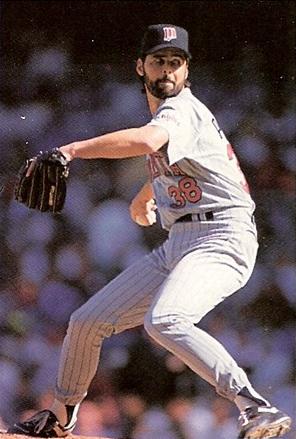
90. RHP Rick Aguilera, Minnesota Twins
Aguilera got to the Majors with the Mets in 1985. He won a World Series with the Mets in 1986. Aguilera got traded to the Twins in 1989. In 1991, he played in the All-Star Game and won a World Series with the Twins. He played in the All-Star Game in 1992. In 1993, he won a Pitcher-of-the-Month Award and played in the All-Star Game. He got traded to Boston in 1995. He re-signed with the Twins in 1996. He got traded to the Cubs in 1999. He recorded his 300th career save in 2000 before retiring. Aguilera finished his career with 318 saves, but was inexcusably snubbed for the Hall of Fame.
Honorable Mention:
1B Dick Allen, Philadelphia Phillies
Allen got to the Majors with the Phillies in 1963 for a cup of coffee. In 1964, he was named to the Topps All-Rookie Team and was named the National League Rookie of the Year. He played in the All-Star Game in 1965. In 1966, he played in the All-Star Game and finished the season with 40 home runs. He played in the All-Star Game in 1967. He hit three home runs in a game in 1968. He went to St. Louis in 1970, where he played in the All-Star Game. He went to the Dodgers in 1971. He went to the White Sox in 1972, where he played in the All-Star Game and was named the American League Most Valuable Player. He played in the All-Star Game in 1973. He played in the All-Star Game in 1974. He went back to the Phillies in 1975. He went to Oakland in 1977, where he was suspended for seven games before retiring. He finished his career with 351 home runs and 1,119 runs batted in, but was snubbed for the Hall of Fame. Allen is also known for his post-baseball acting career, including a well-known role in Summer Catch.
Aguilera got to the Majors with the Mets in 1985. He won a World Series with the Mets in 1986. Aguilera got traded to the Twins in 1989. In 1991, he played in the All-Star Game and won a World Series with the Twins. He played in the All-Star Game in 1992. In 1993, he won a Pitcher-of-the-Month Award and played in the All-Star Game. He got traded to Boston in 1995. He re-signed with the Twins in 1996. He got traded to the Cubs in 1999. He recorded his 300th career save in 2000 before retiring. Aguilera finished his career with 318 saves, but was inexcusably snubbed for the Hall of Fame.
Honorable Mention:
1B Dick Allen, Philadelphia Phillies
Allen got to the Majors with the Phillies in 1963 for a cup of coffee. In 1964, he was named to the Topps All-Rookie Team and was named the National League Rookie of the Year. He played in the All-Star Game in 1965. In 1966, he played in the All-Star Game and finished the season with 40 home runs. He played in the All-Star Game in 1967. He hit three home runs in a game in 1968. He went to St. Louis in 1970, where he played in the All-Star Game. He went to the Dodgers in 1971. He went to the White Sox in 1972, where he played in the All-Star Game and was named the American League Most Valuable Player. He played in the All-Star Game in 1973. He played in the All-Star Game in 1974. He went back to the Phillies in 1975. He went to Oakland in 1977, where he was suspended for seven games before retiring. He finished his career with 351 home runs and 1,119 runs batted in, but was snubbed for the Hall of Fame. Allen is also known for his post-baseball acting career, including a well-known role in Summer Catch.
Tuesday, December 6, 2011
110 Greatest Baseball Players
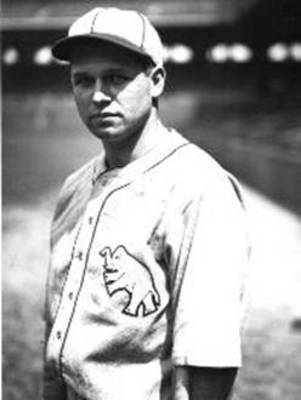
91. 1B Jimmie Foxx, Philadelphia Athletics
LF Albert Belle, Cleveland Indians
Belle got to the Majors with the Indians in 1989. He was suspended for seven games for hitting a fan in 1991. In 1992, he won a Player-of-the-Week Award and was suspended for three games for participating in a brawl. In 1993, he was suspended for three games for charging Hipolito Pichardo on the mound, participated in the Home Run Derby, played in the All-Star Game and won a Silver Slugger Award. In 1994, he was suspended for ten games for using a corked bat, won a Player-of-the-Week Award, won a Player-of-the-Month Award, participated in the Home Run Derby, played in the All-Star Game and won a Silver Slugger Award. In 1995, he won two Player-of-the-Month Awards, participated in the Home Run Derby, played in the All-Star Game, finished the season with 52 doubles, finished the season with 50 home runs and won a Silver Slugger Award. In 1996, he was suspended for three games for attempting to injure Fernando Vina on the basepaths, played in the All-Star Game, finished the season with 48 home runs and won a Silver Slugger Award. He went to the White Sox in 1997 where he was the highest-paid player in the Majors. In 1998, he won two Player-of-the-Week Awards, two Player-of-the-Month Awards, finished the season with 49 home runs and won a Silver Slugger Award. He went to Baltimore in 1999, where he was the highest-paid player in the Majors, hit four doubles in a game twice, won a Player-of-the-Week Award and a Player-of-the-Month Award. He won a Player-of-the-Month Award in 2000 before retiring. He finished his career with 381 home runs and 1,239 runs batted in. He was snubbed by the BBWAA for the Hall of Fame, probably due to his shortened career, vitriolic hatred of the media, and propensity for violence.
Foxx first got to the Majors with the A's in 1925 at the age of 17. He won a World Series with the A's in 1929. Foxx won a World Series with the A's in 1930. In 1932, he hit three home runs in a game, finished the season with 58 home runs and was named the American League Most Valuable Player. In 1933, he hit three home runs in a game, hit for the cycle in a game, played in the All-Star Game, won the American League Batting Title, finished the season with 48 home runs, won the American League Triple Crown and was named the American League Most Valuable Player. In 1934, he played in the All-Star Game and finished the season with 44 home runs. He played in the All-Star Game in 1935. He went to Boston in 1936, where he played in the All-Star Game and finished the season with 41 home runs. He played in the All-Star Game in 1937. In 1938, he played in the All-Star Game, won the American League Batting Title, finished the season with 50 home runs and was named the American League Most Valuable Player. He played in the All-Star Game in 1939. He played in the All-Star Game in 1940. In 1941, he played in the All-Star Game and hit his 500th career home run. He split 1942 between Boston and the Cubs before retiring. He coached for a season in the All-American Girls Professional Baseball League and then made a comeback with the Cubs in 1944. He played another year for the Phillies before retiring again. He finished his career with a .325 batting average and 2,646 hits with 534 home runs and 1,922 runs batted in. He was inducted into the Hall of Fame in 1951.
LF Albert Belle, Cleveland Indians
Belle got to the Majors with the Indians in 1989. He was suspended for seven games for hitting a fan in 1991. In 1992, he won a Player-of-the-Week Award and was suspended for three games for participating in a brawl. In 1993, he was suspended for three games for charging Hipolito Pichardo on the mound, participated in the Home Run Derby, played in the All-Star Game and won a Silver Slugger Award. In 1994, he was suspended for ten games for using a corked bat, won a Player-of-the-Week Award, won a Player-of-the-Month Award, participated in the Home Run Derby, played in the All-Star Game and won a Silver Slugger Award. In 1995, he won two Player-of-the-Month Awards, participated in the Home Run Derby, played in the All-Star Game, finished the season with 52 doubles, finished the season with 50 home runs and won a Silver Slugger Award. In 1996, he was suspended for three games for attempting to injure Fernando Vina on the basepaths, played in the All-Star Game, finished the season with 48 home runs and won a Silver Slugger Award. He went to the White Sox in 1997 where he was the highest-paid player in the Majors. In 1998, he won two Player-of-the-Week Awards, two Player-of-the-Month Awards, finished the season with 49 home runs and won a Silver Slugger Award. He went to Baltimore in 1999, where he was the highest-paid player in the Majors, hit four doubles in a game twice, won a Player-of-the-Week Award and a Player-of-the-Month Award. He won a Player-of-the-Month Award in 2000 before retiring. He finished his career with 381 home runs and 1,239 runs batted in. He was snubbed by the BBWAA for the Hall of Fame, probably due to his shortened career, vitriolic hatred of the media, and propensity for violence.
110 Greatest Baseball Players
92. RHP Jason Isringhausen, St. Louis Cardinals
Isringhausen first gained attention when he emerged as a top prospect with the Mets in 1994. He was a top prospect again before he cracked the Major League roster in 1995. Isringhausen was traded to Oakland in 1999. He played in the All-Star Game in 2000. He went to the Cardinals in 2002, where he struck out the side on nine pitches in a game. He led the National League in saves in 2004. He played in the All-Star Game in 2005. He won a Player-of-the-Week Award in 2007. He went to Tampa Bay in 2009. He missed the 2010 season. He returned to the Mets last season, where he recorded his 300th career save. He is currently a free agent. Isringhausen is 38 and he figures to have a couple of years left and he's already recorded 300 saves in his career, so he only has opportunity to move up on this list. He is also one of the most notable players to recover from Tommy John Surgery.
Honorable Mention:
RF Jack Clark, San Francisco Giants
Clark got to the Majors with the Giants at the age of 19 in 1975. In 1978, he won two Player-of-the-week Awards, a Player-of-the-Month Award and played in the All-Star Game. He played in the All-Star Game in 1979. He won a Player-of-the-Week Award in 1980. He won a Player-of-the-Week Award in 1982. He went to St. Louis in 1985, where he participated in the Home Run Derby, played in the All-Star Game and won a Silver Slugger Award. In 1987, he played in the All-Star Game and won a Silver Slugger Award. He went to the Yankees in 1988. He went to San Diego in 1989. He went to Boston in 1991, where he hit three home runs in a game. He finished his career by playing another year in Boston. He retired with 340 home runs and 1,180 runs batted in and was snubbed by the BBWAA for Hall of Fame induction for no particular reason..
Honorable Mention:
RF Jack Clark, San Francisco Giants
Clark got to the Majors with the Giants at the age of 19 in 1975. In 1978, he won two Player-of-the-week Awards, a Player-of-the-Month Award and played in the All-Star Game. He played in the All-Star Game in 1979. He won a Player-of-the-Week Award in 1980. He won a Player-of-the-Week Award in 1982. He went to St. Louis in 1985, where he participated in the Home Run Derby, played in the All-Star Game and won a Silver Slugger Award. In 1987, he played in the All-Star Game and won a Silver Slugger Award. He went to the Yankees in 1988. He went to San Diego in 1989. He went to Boston in 1991, where he hit three home runs in a game. He finished his career by playing another year in Boston. He retired with 340 home runs and 1,180 runs batted in and was snubbed by the BBWAA for Hall of Fame induction for no particular reason..
Monday, December 5, 2011
2011 Hall of Fame Ballot - LeRoy's Picks
Here's LeRoy's analysis of the 2011 Hall of Fame Ballot.
Yes Players: Players we will be voting for:
RHP Lee Smith, Chicago Cubs: When you look at Smith's career you see a Hall of Famer. Granted, the standard by which closers are judged has changed in the past few years following the ends of the careers of RHP Trevor Hoffman and RHP Mariano Rivera. But this does not effect Smith. He's still a Hall of Famer. The man played in seven All-Star Games, won four saves titles and - oh yeah here's the big one - he saved 478 games in his career. To me that means he's a Hall of Famer.
1B Jeff Bagwell, Houston Astros: Bagwell's career is pretty checkered. He won a Rookie of the Year Award and an MVP Award. Bagwell was a Home Run Derby participant, All-Star, Silver Slugger Award winner and Gold Glove Award winner. He had two 30-30 seasons in his career and three 40 homer seasons. But his best contributions were made with the Astros. He was a true franchise player with that team (spending his entire Major League career with them) and holds the club record for home runs at 449. He also had 1,529 runs batted in in his career.
LF Tim Raines, Montreal Expos: Considering that many of the BBWAA voters have suggested that they won't vote for any big power hitters who prospered during the steroid era, they sure haven't made up for it by honoring older players like Raines. He was a seven-time All-Star in his career and won five Player-of-the-Week Awards. In addition, Raines had seven 70-steal seasons. Raines finished his career with 808 stolen bases. But since Rickey Henderson's MLB career ended in 2003, some voters have suggested that they'll only vote for base-stealers who have stolen no less than 1,000 bases. There's only one problem with that logic, though. Only one player has reached the 1,000-base plateau in his career: Rickey Henderson. I think that 600 stolen bases is a more logical standard to vote by. Note: Raines may be suffering from a lack of support due to his well-known cocaine abuse.
RF Larry Walker, Colorado Rockies: On paper Walker is an easy choice for the Hall of Fame. He had a career .313 batting average with 2,160 hits, 383 home runs, 1,311 runs batted in and 230 stolen bases. Walker also was a five-time All-Star and won seven Gold Glove Awards. The problem: Walker played the bulk of his games at Coors Field, and a lot of voters probably think that his accomplishments are inflated.
1B Mark McGwire, Oakland Athletics: McGwire is another easy choice based on his numbers. He finished his career with 583 home runs and 1,414 runs batted in. McGwire also won ten Player-of-the-Week Awards, six Player-of-the-Month Awards, participated in six Home Run Derbies, was a 12-time All-Star, had six 40-homer seasons, won a Rookie of the Year Award and holds the Athletics club record for home runs. The problem: McGwire used performance-enhancing drugs throughout his career. No doubt he should be penalized for his use as it inflated his career. But I think he would have been a Hall of Famer without the drugs too.
1B Fred McGriff, Atlanta Braves: No player drew the ire of the BBWAA more than McGriff while he played. I can't give you a solid answer as to why. I guess that McGriff wasn't considered to be a great player by his peers and he wasn't too popular with the media. But he was a great player who looked like he was going to be a lock for the Hall of Fame at one point in time. So much so that several voters claimed that they wouldn't have voted for McGriff for the Hall even after he hit 500 home runs. The Crime Dog never got that far, but he still had a fine career with 493 home runs and 1,550 runs batted in. He also won six Player-of-the-Week Awards and was a five-time All-Star.
OF Dale Murphy, Atlanta Braves: Murphy seemed like a Hall of Famer while he played, but the numbers didn't end that way for him and he's paid the price for it. He won six Player-of-the-Month Awards, was a seven-time All-Star, won five Gold Glove Awards, won two MVP Awards, was a true franchise player for the Braves and had his number retired by them. But Murphy finished his career with 398 home runs and 1,266 runs batted in, well short of what many expected he would accomplish. He's still a Hall of Famer though.
1B Rafael Palmeiro, Texas Rangers: Palmeiro's numbers speak for themselves. He finished his career with 3,020 hits and 569 home runs and 1,835 runs batted in. Palmeiro also won five Player-of-the-Week Awards. The problem: Like McGwire, Palmeiro used performance-enhancing drugs throughout his career and was actually suspended for ten games in 2005 for violating MLB's steroids policy. His home run and RBI numbers would be cheapened by his use, but I don't think the hits would have been. He should have been a first-ballot Hall of Famer despite the abuse and he should be elected this year.
RF Juan Gonzalez, Texas Rangers: Gonzalez was one of the best players of his generation. He won five Player-of-the-Week Awards, had five 40-homer seasons, won six Silver Slugger Awards and two MVP awards. Gonzalez finished his career with 434 home runs and 1,404 runs batted in. His career ended prematurely due to injuries and he wasn't a first-ballot Hall of Famer, but he should be elected now.
3B Vinny Castilla, Colorado Rockies: Numbers are not a problem for Castilla, who is the only new player on the ballot worthy of induction. In his career, he hit 320 home runs with 1,105 runs batted in. Those numbers don't jump out at you and Castilla's not a first-ballot Hall of Famer so he shouldn't be elected this year, but he should get a lot of support this season and be elected down the road. The problem: Like Walker, he played the bulk of his games at Coors Field.
Maybe Players: Players we want to vote for but can't Bring Ourselves to Do
DH Edgar Martinez, Seattle Mariners: Martinez won seven Player-of-the-Week Awards, five Player-of-the-Month Awards, was a seven-time All-Star, had two 50-double seasons, won two batting titles, won five Silver Slugger Awards and was a true franchise player with the Mariners. In addition, he finished his career with a .312 batting average and 2,247 hits with 309 home runs and 1,261 runs batted in. Martinez is definitely a Hall of Famer, but LeRoy limits ourselves to voting for only ten players and Martinez doesn't quite make our cut. We certainly wouldn't look down on anyone voting for him though.
OF Ruben Sierra, Texas Rangers: Sierra finished his career with 306 home runs and 1,322 runs batted in. He also hit homers from both sides of the plate six times and is one of the greatest hitting switch hitters of all time. Like Martinez, Sierra doesn't crack our top ten yet, and, like Castilla, he's not a first-ballot Hall of Famer, but he should get enough support to stay on the ballot.
No Players: Players we won't be Voting For:
SS Barry Larkin, Cincinnati Reds: It makes me a little sick to my stomach to learn that any ballot could be produced which included Larkin as the front-runner for induction. He did a little bit of a lot in his career, winning four Player-of-the-Week Awards, a Player-of-the-Month Award, and nine Silver Slugger Awards. On the positive side, Larkin was a 12-time All-Star and was a true franchise player for the Reds. Taking those two things into consideration, we can see why a lot of voters would cast support for Larkin. But LeRoy thinks that Larkins' career was more defined by the things he didn't do as opposed to the things he did do. For example, he didn't retire with a career .300 batting average, he didn' get to 3,000 hits, he didn't even get to 200 home runs, he didn't get to 1,000 runs batted in, and he didn't get to 500, 600, or 1,000 stolen bases (meaning that whatever assanine plateau the BBWAA provides this season for stolen bases is, Larkin didn't reach it in his career).
RHP Jack Morris, Detroit Tigers: Morris figures to probably get the second-highest amount of votes this season, and he might even get elected. That's a shame. Morris was a winner throughout his career, winning three World Series rings (and a World Series MVP Award) in his career and having three 20-win seasons. In addition, he was a five-time All-Star and was chosen as the starting pitcher for the AL in the All-Star Game three times. Morris also threw a no-hitter. But this is the bio of a player who was good during his prime but only mediocre throughout his career, came up big in the postseason, and got a lot of run support throughout his career. In the end, he finished with 254 wins and 2,478 strikeouts, neither of which will buy him a bus ticket to Cooperstown. A lot of voters won't vote for this guy because they think that his career ERA of 3.90 is too high. I've never been a guy who pays that much attention to someone's career ERA but I will say this much: People with ERAs that high don't win very many Cy Young Awards.
SS Alan Trammell, Detroit Tigers: Trammell was a true franchise player with the Tigers and he finished his career with 1,003 runs batted in. His praise ends there. This guy isn't anywhere near election, but he gets a lot of support that should be going toward more-deserving players.
1B Don Mattingly, New York Yankees: Ditto Trammell's career. Mattingly retired with a career .307 batting average and 2,153 hits along with 1,099 runs batted in. He also won an MVP Award. I get the feeling that a lot of people voting for Mattingly aren't voting for Lee Smith.
RF Jeromy Burnitz, Milwaukee Brewers: Burnitz finished his career with an impressive 315 home runs, and he should get a lot of votes that way. But LeRoy can't bring itself to vote for a guy who failed to reach 1,000 runs batted in with that many homers.
RF Brian Jordan, St. Louis Cardinals: Jordan is most well-known as the other guy in the Falcons secondary who also played Minor League Baseball in the late '80's. He also ended playing two stints with the Atlanta Braves. The good news for Jordan is that he was the anti-Deion, with his baseball career greatly outweighing his football career. The bad news is that Deion was actually a decent baseball player and Jordan only lasted three years in the NFL, meaning that Jordan's baseball career, although long and worth a nod, is nowhere near where it needs to be to get him into Cooperstown.
C Javy Lopez, Atlanta Braves: On a weaker ballot I might actually vote for Lopez. I even thought about upgrading him to a maybe player. But I decided not to. It was basically a flip of a coin. Anytime a catcher lasts as a starter for ten-plus seasons, he's had a stellar career. And Lopez hit over 200 home runs in his career. But not on this ballot.
3B Bill Mueller, San Francisco Giants: Mueller won a batting title with the Red Sox and was on their team when they broke the curse in 2004. That's about it.
LHP Terry Mulholland, Philadelphia Phillies: This son of a bitch threw a no-hitter and was the starting pitcher for the NL in the All-Star Game one year.
3B Phil Nevin, San Diego Padres: Nevin was an animal.
RHP Brad Radke, Minnesota Twins: Radke won 20 games one year and was an All-Star.
RF Tim Salmon, California Angels: Salmon was an animal.
CF Bernie Williams, New York Yankees: I have a foreboding feeling that says that Williams - like Larkin, Morris, Mattingly, and Trammell - is going to get a lot of support he doesn't deserve. There should be a law. He was a true franchise player with the Yankees.
SS Tony Womack, Pittsburgh Pirates: Womack was Jose Reyes without talent.
2B Eric Young, Colorado Rockies: Young was fast, but then he got slow.
Yes Players: Players we will be voting for:
RHP Lee Smith, Chicago Cubs: When you look at Smith's career you see a Hall of Famer. Granted, the standard by which closers are judged has changed in the past few years following the ends of the careers of RHP Trevor Hoffman and RHP Mariano Rivera. But this does not effect Smith. He's still a Hall of Famer. The man played in seven All-Star Games, won four saves titles and - oh yeah here's the big one - he saved 478 games in his career. To me that means he's a Hall of Famer.
1B Jeff Bagwell, Houston Astros: Bagwell's career is pretty checkered. He won a Rookie of the Year Award and an MVP Award. Bagwell was a Home Run Derby participant, All-Star, Silver Slugger Award winner and Gold Glove Award winner. He had two 30-30 seasons in his career and three 40 homer seasons. But his best contributions were made with the Astros. He was a true franchise player with that team (spending his entire Major League career with them) and holds the club record for home runs at 449. He also had 1,529 runs batted in in his career.
LF Tim Raines, Montreal Expos: Considering that many of the BBWAA voters have suggested that they won't vote for any big power hitters who prospered during the steroid era, they sure haven't made up for it by honoring older players like Raines. He was a seven-time All-Star in his career and won five Player-of-the-Week Awards. In addition, Raines had seven 70-steal seasons. Raines finished his career with 808 stolen bases. But since Rickey Henderson's MLB career ended in 2003, some voters have suggested that they'll only vote for base-stealers who have stolen no less than 1,000 bases. There's only one problem with that logic, though. Only one player has reached the 1,000-base plateau in his career: Rickey Henderson. I think that 600 stolen bases is a more logical standard to vote by. Note: Raines may be suffering from a lack of support due to his well-known cocaine abuse.
RF Larry Walker, Colorado Rockies: On paper Walker is an easy choice for the Hall of Fame. He had a career .313 batting average with 2,160 hits, 383 home runs, 1,311 runs batted in and 230 stolen bases. Walker also was a five-time All-Star and won seven Gold Glove Awards. The problem: Walker played the bulk of his games at Coors Field, and a lot of voters probably think that his accomplishments are inflated.
1B Mark McGwire, Oakland Athletics: McGwire is another easy choice based on his numbers. He finished his career with 583 home runs and 1,414 runs batted in. McGwire also won ten Player-of-the-Week Awards, six Player-of-the-Month Awards, participated in six Home Run Derbies, was a 12-time All-Star, had six 40-homer seasons, won a Rookie of the Year Award and holds the Athletics club record for home runs. The problem: McGwire used performance-enhancing drugs throughout his career. No doubt he should be penalized for his use as it inflated his career. But I think he would have been a Hall of Famer without the drugs too.
1B Fred McGriff, Atlanta Braves: No player drew the ire of the BBWAA more than McGriff while he played. I can't give you a solid answer as to why. I guess that McGriff wasn't considered to be a great player by his peers and he wasn't too popular with the media. But he was a great player who looked like he was going to be a lock for the Hall of Fame at one point in time. So much so that several voters claimed that they wouldn't have voted for McGriff for the Hall even after he hit 500 home runs. The Crime Dog never got that far, but he still had a fine career with 493 home runs and 1,550 runs batted in. He also won six Player-of-the-Week Awards and was a five-time All-Star.
OF Dale Murphy, Atlanta Braves: Murphy seemed like a Hall of Famer while he played, but the numbers didn't end that way for him and he's paid the price for it. He won six Player-of-the-Month Awards, was a seven-time All-Star, won five Gold Glove Awards, won two MVP Awards, was a true franchise player for the Braves and had his number retired by them. But Murphy finished his career with 398 home runs and 1,266 runs batted in, well short of what many expected he would accomplish. He's still a Hall of Famer though.
1B Rafael Palmeiro, Texas Rangers: Palmeiro's numbers speak for themselves. He finished his career with 3,020 hits and 569 home runs and 1,835 runs batted in. Palmeiro also won five Player-of-the-Week Awards. The problem: Like McGwire, Palmeiro used performance-enhancing drugs throughout his career and was actually suspended for ten games in 2005 for violating MLB's steroids policy. His home run and RBI numbers would be cheapened by his use, but I don't think the hits would have been. He should have been a first-ballot Hall of Famer despite the abuse and he should be elected this year.
RF Juan Gonzalez, Texas Rangers: Gonzalez was one of the best players of his generation. He won five Player-of-the-Week Awards, had five 40-homer seasons, won six Silver Slugger Awards and two MVP awards. Gonzalez finished his career with 434 home runs and 1,404 runs batted in. His career ended prematurely due to injuries and he wasn't a first-ballot Hall of Famer, but he should be elected now.
3B Vinny Castilla, Colorado Rockies: Numbers are not a problem for Castilla, who is the only new player on the ballot worthy of induction. In his career, he hit 320 home runs with 1,105 runs batted in. Those numbers don't jump out at you and Castilla's not a first-ballot Hall of Famer so he shouldn't be elected this year, but he should get a lot of support this season and be elected down the road. The problem: Like Walker, he played the bulk of his games at Coors Field.
Maybe Players: Players we want to vote for but can't Bring Ourselves to Do
DH Edgar Martinez, Seattle Mariners: Martinez won seven Player-of-the-Week Awards, five Player-of-the-Month Awards, was a seven-time All-Star, had two 50-double seasons, won two batting titles, won five Silver Slugger Awards and was a true franchise player with the Mariners. In addition, he finished his career with a .312 batting average and 2,247 hits with 309 home runs and 1,261 runs batted in. Martinez is definitely a Hall of Famer, but LeRoy limits ourselves to voting for only ten players and Martinez doesn't quite make our cut. We certainly wouldn't look down on anyone voting for him though.
OF Ruben Sierra, Texas Rangers: Sierra finished his career with 306 home runs and 1,322 runs batted in. He also hit homers from both sides of the plate six times and is one of the greatest hitting switch hitters of all time. Like Martinez, Sierra doesn't crack our top ten yet, and, like Castilla, he's not a first-ballot Hall of Famer, but he should get enough support to stay on the ballot.
No Players: Players we won't be Voting For:
SS Barry Larkin, Cincinnati Reds: It makes me a little sick to my stomach to learn that any ballot could be produced which included Larkin as the front-runner for induction. He did a little bit of a lot in his career, winning four Player-of-the-Week Awards, a Player-of-the-Month Award, and nine Silver Slugger Awards. On the positive side, Larkin was a 12-time All-Star and was a true franchise player for the Reds. Taking those two things into consideration, we can see why a lot of voters would cast support for Larkin. But LeRoy thinks that Larkins' career was more defined by the things he didn't do as opposed to the things he did do. For example, he didn't retire with a career .300 batting average, he didn' get to 3,000 hits, he didn't even get to 200 home runs, he didn't get to 1,000 runs batted in, and he didn't get to 500, 600, or 1,000 stolen bases (meaning that whatever assanine plateau the BBWAA provides this season for stolen bases is, Larkin didn't reach it in his career).
RHP Jack Morris, Detroit Tigers: Morris figures to probably get the second-highest amount of votes this season, and he might even get elected. That's a shame. Morris was a winner throughout his career, winning three World Series rings (and a World Series MVP Award) in his career and having three 20-win seasons. In addition, he was a five-time All-Star and was chosen as the starting pitcher for the AL in the All-Star Game three times. Morris also threw a no-hitter. But this is the bio of a player who was good during his prime but only mediocre throughout his career, came up big in the postseason, and got a lot of run support throughout his career. In the end, he finished with 254 wins and 2,478 strikeouts, neither of which will buy him a bus ticket to Cooperstown. A lot of voters won't vote for this guy because they think that his career ERA of 3.90 is too high. I've never been a guy who pays that much attention to someone's career ERA but I will say this much: People with ERAs that high don't win very many Cy Young Awards.
SS Alan Trammell, Detroit Tigers: Trammell was a true franchise player with the Tigers and he finished his career with 1,003 runs batted in. His praise ends there. This guy isn't anywhere near election, but he gets a lot of support that should be going toward more-deserving players.
1B Don Mattingly, New York Yankees: Ditto Trammell's career. Mattingly retired with a career .307 batting average and 2,153 hits along with 1,099 runs batted in. He also won an MVP Award. I get the feeling that a lot of people voting for Mattingly aren't voting for Lee Smith.
RF Jeromy Burnitz, Milwaukee Brewers: Burnitz finished his career with an impressive 315 home runs, and he should get a lot of votes that way. But LeRoy can't bring itself to vote for a guy who failed to reach 1,000 runs batted in with that many homers.
RF Brian Jordan, St. Louis Cardinals: Jordan is most well-known as the other guy in the Falcons secondary who also played Minor League Baseball in the late '80's. He also ended playing two stints with the Atlanta Braves. The good news for Jordan is that he was the anti-Deion, with his baseball career greatly outweighing his football career. The bad news is that Deion was actually a decent baseball player and Jordan only lasted three years in the NFL, meaning that Jordan's baseball career, although long and worth a nod, is nowhere near where it needs to be to get him into Cooperstown.
C Javy Lopez, Atlanta Braves: On a weaker ballot I might actually vote for Lopez. I even thought about upgrading him to a maybe player. But I decided not to. It was basically a flip of a coin. Anytime a catcher lasts as a starter for ten-plus seasons, he's had a stellar career. And Lopez hit over 200 home runs in his career. But not on this ballot.
3B Bill Mueller, San Francisco Giants: Mueller won a batting title with the Red Sox and was on their team when they broke the curse in 2004. That's about it.
LHP Terry Mulholland, Philadelphia Phillies: This son of a bitch threw a no-hitter and was the starting pitcher for the NL in the All-Star Game one year.
3B Phil Nevin, San Diego Padres: Nevin was an animal.
RHP Brad Radke, Minnesota Twins: Radke won 20 games one year and was an All-Star.
RF Tim Salmon, California Angels: Salmon was an animal.
CF Bernie Williams, New York Yankees: I have a foreboding feeling that says that Williams - like Larkin, Morris, Mattingly, and Trammell - is going to get a lot of support he doesn't deserve. There should be a law. He was a true franchise player with the Yankees.
SS Tony Womack, Pittsburgh Pirates: Womack was Jose Reyes without talent.
2B Eric Young, Colorado Rockies: Young was fast, but then he got slow.
Veterans Committee Results Announced
The Veterans Committee - this year looking at players who played during the supposed Golden Era from 1943 to 1972 - had their ballots and results announced for induction into the Baseball Hall of Fame today. Unlike the past three seasons, the Committee actually elected a player this year. 3B Ron Santo, who spent the majority of his career with the Cubs, was elected, the first played to be inducted on the Veterans Committee since former Yankees 2B Joe Gordon in 2008.
LeRoy is happy for Santo's family, who died last year due to complications from diabetes and cancer, who should have been elected to the Hall of Fame a long time ago. In his career, Santo batted .277 with 2,254 hits, 342 home runs and 1,331 runs batted in in his career. He also won five Gold Glove Awards and was an eight-time All-Star.
LHP Jim Kaat received the second-most amount of votes - two shy of election, and 1B Gil Hodges and OF Minnie Minoso fell three votes shy of election and OF Tony Oliva was four votes short. Of those four players Hodges - who died of a heart attack in 1972 - is probably the most deserving, having hit 370 home runs with 1,274 runs batted in in his career, along with playing in eight All-Star Games.
Sunday, December 4, 2011
110 Greatest Baseball Players
93. RF Dave Parker, Pittsburgh Pirates
Parker first gained attention when he was named the Carolina League MVP while in the Pirates system in 1972. He got to the Majors in 1973. In 1977, Parker won a Player-of-the-Week Award, played in the All-Star Game, won the National League Batting Title and won a Gold Glove Award. In 1978, he won two Player-of-the-Week Awards, two Player-of-the-Month Awards, won the National League Batting Title, won a Gold Glove Award and was named the National League Most Valuable Player. In 1979, he played in the All-Star Game, was named the All-Star Game MVP, won a World Series with the Pirates and won a Gold Glove Award. He played in the All-Star Game in 1980. He played in the All-Star Game in 1981. He went to Cincinnati in 1984. In 1985, he won two Player-of-the-Week Awards, a Player-of-the-Month Award, participated in the Home Run Derby (which he won), played in the All-Star Game and won a Silver Slugger Award. In 1986, he was suspended for being convicted of misdemeanor possession of cocaine as part of a plea deal in exchange for his testimony in the infamous Pittsburgh Drug Trials and given the opportunity to sit out the entire season or donate ten percent of his salary to drug prevention programs (he picked the latter), won a Player-of-the-Week Award, participated in the Home Run Derby, played in the All-Star Game and won a Silver Slugger Award. He went to Oakland in 1988. He won a World Series with Oakland in 1989. He went to Milwaukee in 1990, where he won a Player-of-the-Week Award, played in the All-Star Game and won a Silver Slugger Award. He finished his career with cups of coffee with the California Angels and Toronto. Parker finished his career with 339 home runs and 1,493 runs batted in. He has yet to be elected to the Hall of Fame, probably due to his drug abuse problems, and this year is his last on the ballot.
Honorable Mention:
DH David Ortiz, Boston Red Sox
Ortiz first gained attention when he emerged as a top prospect with Minnesota in 1998, although he'd already reached the Majors in 1997. He went to the Red Sox in 2003. In 2004, he was suspended for five games for throwing objects onto the field, won a Player-of-the-Week Award, participated in the Home Run Derby, finished the season with 41 home runs, won the World Series with the Red Sox and won a Silver Slugger Award. In 2005, he won a Player-of-the-Week Award, participated in the Home Run Derby, played in the All-Star Game, finished the season with 47 home runs and won a Silver Slugger Award. In 2006, he represented his native Dominican Republic in the World Baseball Classic, won a Player-of-the-Week Award, won a Player-of-the-Month Award, participated in the Home Run Derby, played in the All-Star Game, finished the season with 54 home runs and won a Silver Slugger Award. In 2007, he won a Player-of-the-Week Award, won a Player-of-the-Month Award, played in the All-Star Game, finished the season with 52 doubles, won a World Series with the Red Sox and won a Silver Slugger Award. He played in the All-Star Game in 2008. He represented his native Dominican Republic in the World Baseball Classic in 2009. In 2010, he won a Player-of-the-Month Award, participated in the Home Run Derby (which he won) and played in the All-Star Game. Ortiz is still under contract with the Red Sox. He figures to have about five seasons left in the Majors and he's already hit 378 home runs and has knocked in 1,266 runs. He isn't good enough to crack this list yet, but the sky is the limit for Ortiz.
Parker first gained attention when he was named the Carolina League MVP while in the Pirates system in 1972. He got to the Majors in 1973. In 1977, Parker won a Player-of-the-Week Award, played in the All-Star Game, won the National League Batting Title and won a Gold Glove Award. In 1978, he won two Player-of-the-Week Awards, two Player-of-the-Month Awards, won the National League Batting Title, won a Gold Glove Award and was named the National League Most Valuable Player. In 1979, he played in the All-Star Game, was named the All-Star Game MVP, won a World Series with the Pirates and won a Gold Glove Award. He played in the All-Star Game in 1980. He played in the All-Star Game in 1981. He went to Cincinnati in 1984. In 1985, he won two Player-of-the-Week Awards, a Player-of-the-Month Award, participated in the Home Run Derby (which he won), played in the All-Star Game and won a Silver Slugger Award. In 1986, he was suspended for being convicted of misdemeanor possession of cocaine as part of a plea deal in exchange for his testimony in the infamous Pittsburgh Drug Trials and given the opportunity to sit out the entire season or donate ten percent of his salary to drug prevention programs (he picked the latter), won a Player-of-the-Week Award, participated in the Home Run Derby, played in the All-Star Game and won a Silver Slugger Award. He went to Oakland in 1988. He won a World Series with Oakland in 1989. He went to Milwaukee in 1990, where he won a Player-of-the-Week Award, played in the All-Star Game and won a Silver Slugger Award. He finished his career with cups of coffee with the California Angels and Toronto. Parker finished his career with 339 home runs and 1,493 runs batted in. He has yet to be elected to the Hall of Fame, probably due to his drug abuse problems, and this year is his last on the ballot.
Honorable Mention:
DH David Ortiz, Boston Red Sox
Ortiz first gained attention when he emerged as a top prospect with Minnesota in 1998, although he'd already reached the Majors in 1997. He went to the Red Sox in 2003. In 2004, he was suspended for five games for throwing objects onto the field, won a Player-of-the-Week Award, participated in the Home Run Derby, finished the season with 41 home runs, won the World Series with the Red Sox and won a Silver Slugger Award. In 2005, he won a Player-of-the-Week Award, participated in the Home Run Derby, played in the All-Star Game, finished the season with 47 home runs and won a Silver Slugger Award. In 2006, he represented his native Dominican Republic in the World Baseball Classic, won a Player-of-the-Week Award, won a Player-of-the-Month Award, participated in the Home Run Derby, played in the All-Star Game, finished the season with 54 home runs and won a Silver Slugger Award. In 2007, he won a Player-of-the-Week Award, won a Player-of-the-Month Award, played in the All-Star Game, finished the season with 52 doubles, won a World Series with the Red Sox and won a Silver Slugger Award. He played in the All-Star Game in 2008. He represented his native Dominican Republic in the World Baseball Classic in 2009. In 2010, he won a Player-of-the-Month Award, participated in the Home Run Derby (which he won) and played in the All-Star Game. Ortiz is still under contract with the Red Sox. He figures to have about five seasons left in the Majors and he's already hit 378 home runs and has knocked in 1,266 runs. He isn't good enough to crack this list yet, but the sky is the limit for Ortiz.
Subscribe to:
Posts (Atom)