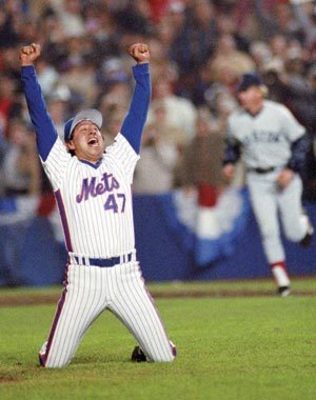
Orosco broke into the Major Leagues with the Mets in 1979 and he had established himself as a premier setup man and part-time closer by 1982. In 1983, he won two Player-of-the-Week Awards, a Player-of-the-Month Award and played in the All-Star Game. In 1984, Orosco won a Player-of-the-Week Award and played in the All-Star Game. He won a World Series with the Mets in 1986. He went to the Dodgers in 1988. He moved on to Cleveland in 1989. He joined Milwaukee in 1992. He went to Baltimore in 1995. He became the oldest active player in the Major Leagues in 1999. He moved on to St. Louis in 2000, where he was the oldest player in the National League. He returned to the Dodgers in 2001, where he was the oldest player in the National League. He was the oldest player in the National League in 2002. He had cups of coffee with San Diego, the Yankees, and Minnesota in 2003 and was the oldest player in both the American and National Leagues before retiring. In his career Orosco won 87 games and lost 80, while posting 144 saves and recording 1,179 strikeouts. His greatness comes from his longevity, though. Orosco pitched 24 seasons in the Majors and over that period of time he pitched in 1,252 games and recorded 1,295 innings pitched, maintaining a 3.16 ERA over his body of work.
Honorable Mention:
1B Hank Greenberg, Detroit Tigers
Greenberg broke into the Major Leagues with the Tigers at the young age of 19 in 1930. He went back to the Minors and gained note once again when he was named the MVP of the Texas League in 1932. He finished the season with 63 doubles in 1934. In 1935, he won a World Series with the Tigers and was named the American League Most Valuable Player. In 1937, he played in the All-Star Game and finished the season with 40 home runs. In 1938, he played in the All-Star Game and finished the season with 58 home runs. He played in the All-Star Game in 1939. In 1940, he played in the All-Star Game, finished the season with 50 doubles, finished the season with 41 home runs and was named the American League Most Valuable Player. He left the team in 1941 to join the U. S. Army Air Force during World War II. He made his comeback in the second half of the 1945 season and played in the All-Star Game and won a World Series with the Tigers. He finished the season with 44 home runs in 1946. He finished his career by spending a season with Pittsburgh. He retired with a career .313 batting average with 331 home runs and 1,276 runs batted in. His number 5 was retired by the Tigers. He was inducted into the Hall of Fame in 1956. Props to the BBWAA for getting one right for a change, but he won't make the cut for this list.
1B Joe Adcock, Milwaukee Braves
Adcock got to the Majors with Cincinnati in 1950. He went to the Braves in 1953. He hit three home runs in a game in 1954. He won a World Series with the Braves in 1957. He played in the All-Star Game in 1960. He finished his career by playing a year apiece with Cleveland and the Los Angeles Angels and two years with the California Angels. He retired with 336 home runs and 1,122 runs batted in in his career. He became the manager for Cleveland in 1967. He was inducted into the College Baseball Hall of Fame for his career at Louisiana State University in 1978. He was snubbed for the Hall of Fame and he won't make this list either.
LF Dave Kingman, New York Mets
Kingman first gained attention by winning the College World Series with USC in 1970. He got to the Majors with San Francisco in 1971. He hit for the cycle in 1972. He won a Player-of-the-Week Award in 1973. He went to the Mets in 1975 where he won a Player-of-the-Week Award and Player-of-the-Month Award. He played in the All-Star Game in 1976. He got traded to San Diego, California, and the Yankees in 1977. He went to the Cubs in 1978. In 1979, he won two Player-of-the-Week Awards, played in the All-Star Game and finished the season with 48 home runs. In 1980, he won a Player-of-the-Month Award and played in the All-Star Game. He returned to the Mets in 1981 and won a Player-of-the-Week Award. He won a Player-of-the-Week Award in 1982. In 1984, he went to Oakland and was suspended for three games for charging the mound, won a Player-of-the-Week Award and was named the American League Comeback Player of the Year. He finished his career by playing two more seasons in Oakland. Kingman hit three home runs in a game five times during his career. He finished his career with 442 home runs and 1,210 runs batted in. He is the all-time leader in home runs by a player from Oregon. He was snubbed for the Hall of Fame and he won't make this list either.

No comments:
Post a Comment