Award season has begun in baseball. While Major League Baseball has its system for picking and choosing its award winners (coaches, managers, and the BBWAA to be precise), LeRoy uses a mathematical formula and just a splash of common sense to determine our award winners. We will begin with the American League Silver Slugger Award Winners.
1. Catcher: The Silver Slugger Award at catcher goes to Cleveland Indians C Carlos Santana. Santana flew under the radar for most of the season for a number of reasons. There was a lot of noise about Yankees C Russell Martin early on, Tigers C Alex Avila had a breakout year, and - the biggest reason for anyone not getting much attention - he plays in Cleveland. But if you look at the numbers at the end of the year Santana comes out as the clear favorite for the award. Santana hit 27 home runs, and that alone should be good enough for him to win the award in the AL this year.
2. First Base: The Silver Slugger Award at first base goes to Boston Red Sox 1B Adrian Gonzalez. Unlike Santana, Gonzalez had been the favorite to win this award since he was acquired in a trade by Boston in the off-season. And he didn't do anything to lose that award. Gonzalez had 213 hits and batted .338, in addition to hitting 27 home runs, driving in 117 runs and scoring 108 runs.
3. Second Base: The Silver Slugger Award at second base goes to Yankees 2B Robinson Cano. Like Gonzalez, Cano had been the favorite to win this award for a along time. Mainly because he's been the best hitting second baseman in the American League for several years now. Cano batted .302 with 28 home runs, 118 runs batted in and 104 runs scored.
4. Third Base: The Silver Slugger Award at third base goes to Texas Rangers 3B Adrian Beltre. Unlike the races at first and second, this one didn't really have a favorite at the start of the season. That was mainly because Rays 3B Evan Longoria started the year on the DL. But Beltre got off to a fast start and never really relented his position as the best-hitting third baseman in the AL this year. He finished with 33 home runs and 105 runs batted in.
5. Shortstop: The Silver Slugger Award at shortstop goes to Texas Rangers SS Elvis Andrus. Andrus has been known as a good shortstop and a critical piece in the Rangers' potent offense for a long time now, but he's never been considered one of the elites in the AL, despite his appearances in multiple All-Star Games. And this year he took a back seat to Yankees SS Derek Jeter (I don't know why either) and Indians SS Asdrubal Cabrera, who had a breakout season. But at the end of the year it was Andrus who had the most balanced and productive offensive year among shortstops in the AL. Andrus stole 37 bases.
6. Outfield: The Silver Slugger Awards account for three outfielders regardless of their positions. I'm listing them here alphabetically and this is not necessarily the order in which they should be ranked. But we'll start with RF Jose Bautista, who plays for the Toronto Blue Jays. Bautista followed up his breakout season of last year with another terrific season this year. He batted .302 with 43 home runs, 103 runs batted in, 105 runs scored and 132 walks.
7. Outfield: Next we'll move onto CF Melky Cabrera, who spent last season with the Kansas City Royals but has since been traded to the Giants. Cabrera definitely wasn't a favorite to win very many awards this year and his big season probably came as a surprise to many. But he ended up having a terrific year. Cabrera batted .305 with 201 hits, 102 runs scored and 20 stolen bases.
8. Outfield: And finally our outfield pool ends with New York Yankees CF Curtis Granderson. Big things were expected of Granderson upon his trade from Detroit to the Bronx, and he had a good season in 2010 despite missing significant time with an injury. He finally had the season people expected him to last year after moving from spacious Comerica Park to minuscule Yankee Stadium and, in fact, had the breakout that never came in Detroit. He even learned how to hit left-handers. A little bit. Granderson hit 41 home runs and drove in 119 runs, in addition to scoring 136 runs and stealing 25 bases.
9. Designated Hitter: The Silver Slugger Award at Designated Hitter goes to Texas Rangers DH Michael Young. Young was moved to DH from third base this season after the Rangers acquired Beltre. He wasn't happy about the move (the third time he's been forced to switch positions) and demanded a trade. But he eventually knuckled under and settled in as the team's DH. He finished the year with a .338 batting average and 213 hits, as well as 106 runs batted in.
Tuesday, November 15, 2011

Two Arrested in Kidnapping Case
Two people have been arrested in the kidnapping of Washington Nationals C Wilson Ramos, a Venezuela native. One man in also Venezuelan and the other is Colombian. Police confiscated revolvers and a cell phone linked to the kidnapping in the arrest, and say that other suspects remain at large.
Ramos was kidnapped at gunpoint outside of his home last week and rescued two days later. The two arrests move the total number of arrests up to eight (two of the eight have not been charged with kidnapping). Alexander Bolanos has been linked to paramilitary groups such as FARC in Colombia.
Arturo Yepez is a native of Venezuela and doesn't appear to have a criminal history. Venezuelan police have descriptions of several other Colombians and have been provided with their aliases. Ramos had been playing Winter Ball with the Aragua Tigers.
Ramos was kidnapped in front of his father and two brothers. He has claimed that the kidnapping was carefully planned. This is the first known direct kidnapping of a Major League Baseball player in Venezuela, though authorities say that five relatives of Major Leaguers have been kidnapped in recent years.
Ramos was kidnapped at gunpoint outside of his home last week and rescued two days later. The two arrests move the total number of arrests up to eight (two of the eight have not been charged with kidnapping). Alexander Bolanos has been linked to paramilitary groups such as FARC in Colombia.
Arturo Yepez is a native of Venezuela and doesn't appear to have a criminal history. Venezuelan police have descriptions of several other Colombians and have been provided with their aliases. Ramos had been playing Winter Ball with the Aragua Tigers.
Ramos was kidnapped in front of his father and two brothers. He has claimed that the kidnapping was carefully planned. This is the first known direct kidnapping of a Major League Baseball player in Venezuela, though authorities say that five relatives of Major Leaguers have been kidnapped in recent years.
Dodgers give Kemp Contract Extension
In the first major signing of the off-season this year in baseball, the Dodgers have brought back CF Matt Kemp. The Dodgers re-signed him to an eight-year, $160 million contract. Kemp is 27.
This moves comes as a sign that the Dodgers are prepared to move on after the messy divorce and pending sale of the club by Frank McCourt plunged them into baseball bankruptcy. In addition to signing Kemp, the Dodgers also signed free agent 2B Mark Ellis to a two-year, $8.75 million contract. Rumors are rampant that the Dodgers will offer a long-term contract extension to LHP Clayton Kershaw sometime in 2012.
Also, the Dodgers re-signed LF Juan Rivera to a one-year, $4.5 million contract. The Dodgers have been criticized somewhat for overpaying this off-season, with Ellis getting a two-year contract worth a tidy sum and Rivera getting almost five million dollars. Add that onto Kemp's deal - the seventh biggest contract in baseball history - and you might be able to formulate a solid argument.
But the Kemp deal cannot be denied. This is a win-win for the dodgers.
This moves comes as a sign that the Dodgers are prepared to move on after the messy divorce and pending sale of the club by Frank McCourt plunged them into baseball bankruptcy. In addition to signing Kemp, the Dodgers also signed free agent 2B Mark Ellis to a two-year, $8.75 million contract. Rumors are rampant that the Dodgers will offer a long-term contract extension to LHP Clayton Kershaw sometime in 2012.
Also, the Dodgers re-signed LF Juan Rivera to a one-year, $4.5 million contract. The Dodgers have been criticized somewhat for overpaying this off-season, with Ellis getting a two-year contract worth a tidy sum and Rivera getting almost five million dollars. Add that onto Kemp's deal - the seventh biggest contract in baseball history - and you might be able to formulate a solid argument.
But the Kemp deal cannot be denied. This is a win-win for the dodgers.
Saturday, November 12, 2011
110 Greatest Baseball Players
106. RHP Mike Timlin, Toronto Blue Jays
 Timlin first gained notice in 1991 when he emerged as a top prospect with the Blue Jays. He got to the Major Leagues that same year, where he immediately thrived as a setup man and part-time closer. He won a World Series with the Blue Jays in 1992. He won a World Series with the Blue Jays in 1993. He was traded to Seattle in 1997. He then spent parts of two seasons in Baltimore and parts of three seasons in St. Louis before having a cup of coffee with Philadelphia. He landed in Boston in 2003. He won a World Series with Boston in 2004. He participated in the World Baseball Classic during Spring Training in 2006 where he represented the United States. He won a World Series with Boston in 2007. He ended his Major League career with Boston in 2008. Timlin finished his career with 75 wins, 73 losses, 141 saves, and 872 strikeouts. His most impressive stat is his longevity, though. He played 18 seasons in the Majors as a setup man, pitching in 1,058 games along the way and maintaining a 3.63 ERA over that stretch.
Honorable Mention:
1B Mo Vaughn, Boston Red Sox
Vaughn first gained attention in 1989 when he was a first-round draft pick of the Red Sox. He was named as a top prospect in both 1990 and 1991. In 1995, he won a Player-of-the-Week Award, participated in the Home Run Derby, played in the All-Star Game, won a Silver Slugger Award, and was named the American League Most Valuable Player. In 1996, he was inducted into the College Baseball Hall of Fame for his career at Seton Hall, hit three home runs in a game, won two Player-of-the-Week Awards, a Player-of-the-Month Award, played in the All-Star Game, and finished the season with 44 home runs. He hit three home runs in a game in 1997. In 1998, he played in the All-Star Game and finished the season with 40 home runs. He moved onto Anaheim in 1999 and won a Player-of-the-Week Award that year. He won a Player-of-the-Week Award in 2000. He missed the 2001 season due to injury and finished his career with two seasons with the Mets. He retired with 328 home runs, the most ever by a player from Connecticut. It was revealed that he'd taken performance-enhancing drugs throughout his career in 2008. He looks like a Hall of Fame on paper, but his PED use kept him out of Cooperstown. Without the drugs he probably wouldn't have been considered for this list.
CF Juan Pierre, Florida Marlins
Pierre first gained attention in 1998 when he was named the Sun Belt Conference MVP while attending the University of South Alabama. He emerged as a top prospect in 2000 in Colorado. Pierre moved onto the Marlins in 2003 where he won a World Series with them. He spent two more seasons with the Marlins, a season with the Cubs, three seasons with the Dodgers, and has spent the last two seasons with the White Sox. Pierre has had a Hall of Fame career thus far and he has already stolen 554 bases. He'll be 34 next season so his best days are probably behind him but he still has a lot of years left. He isn't good enough to make the list yet, but he may be at that level when he retires.
2B Davey Lopes, Los Angeles Dodgers
Lopes was named to the Topps All-Rookie Team in 1973. In 1974, he stole five bases in a game, hit three home runs in a game and won a Player-of-the-Week Award. He finished the season with 77 stolen bases in 1975. In 1978, he played in the All-Star Game and won a Gold Glove Award. He played in the All-Star Game in 1979. He played in the All-Star Game in 1980. In 1981, he played in the All-Star Game and won a World Series with the Dodgers. He spent parts of three seasons apiece with Oakland and the Cubs and parts of two seasons with the Astros. After his playing career ended he became a Major League manager and was suspended for two games in 2001 for inappropriate actions during a game. Lopes finished his career with 557 stolen bases and probably should have been inducted into the Hall of Fame but was snubbed by the BBWAA. He wasn't good enough to make this list either.

Honorable Mention:
1B Mo Vaughn, Boston Red Sox
Vaughn first gained attention in 1989 when he was a first-round draft pick of the Red Sox. He was named as a top prospect in both 1990 and 1991. In 1995, he won a Player-of-the-Week Award, participated in the Home Run Derby, played in the All-Star Game, won a Silver Slugger Award, and was named the American League Most Valuable Player. In 1996, he was inducted into the College Baseball Hall of Fame for his career at Seton Hall, hit three home runs in a game, won two Player-of-the-Week Awards, a Player-of-the-Month Award, played in the All-Star Game, and finished the season with 44 home runs. He hit three home runs in a game in 1997. In 1998, he played in the All-Star Game and finished the season with 40 home runs. He moved onto Anaheim in 1999 and won a Player-of-the-Week Award that year. He won a Player-of-the-Week Award in 2000. He missed the 2001 season due to injury and finished his career with two seasons with the Mets. He retired with 328 home runs, the most ever by a player from Connecticut. It was revealed that he'd taken performance-enhancing drugs throughout his career in 2008. He looks like a Hall of Fame on paper, but his PED use kept him out of Cooperstown. Without the drugs he probably wouldn't have been considered for this list.
CF Juan Pierre, Florida Marlins
Pierre first gained attention in 1998 when he was named the Sun Belt Conference MVP while attending the University of South Alabama. He emerged as a top prospect in 2000 in Colorado. Pierre moved onto the Marlins in 2003 where he won a World Series with them. He spent two more seasons with the Marlins, a season with the Cubs, three seasons with the Dodgers, and has spent the last two seasons with the White Sox. Pierre has had a Hall of Fame career thus far and he has already stolen 554 bases. He'll be 34 next season so his best days are probably behind him but he still has a lot of years left. He isn't good enough to make the list yet, but he may be at that level when he retires.
2B Davey Lopes, Los Angeles Dodgers
Lopes was named to the Topps All-Rookie Team in 1973. In 1974, he stole five bases in a game, hit three home runs in a game and won a Player-of-the-Week Award. He finished the season with 77 stolen bases in 1975. In 1978, he played in the All-Star Game and won a Gold Glove Award. He played in the All-Star Game in 1979. He played in the All-Star Game in 1980. In 1981, he played in the All-Star Game and won a World Series with the Dodgers. He spent parts of three seasons apiece with Oakland and the Cubs and parts of two seasons with the Astros. After his playing career ended he became a Major League manager and was suspended for two games in 2001 for inappropriate actions during a game. Lopes finished his career with 557 stolen bases and probably should have been inducted into the Hall of Fame but was snubbed by the BBWAA. He wasn't good enough to make this list either.
Friday, November 11, 2011
110 Greatest Baseball Players

Brock got to the Majors with the Cubs in 1961. He was traded to the Cardinals in 1964 and won a World Series with them that year. Brock finished the season with 74 stolen bases in 1966. In 1967, he was an All-Star and won a World Series with the Cardinals. In 1971, he won a Player-of-the-Month Award and played in the All-Star Game. He played in the All-Star Game in 1972. He finished the season with 70 stolen bases in 1973. In 1974, he won a Player-of-the-Month Award, played in the All-Star Game, and finished the season with 118 stolen bases. In 1975, he hit for the cycle and played in the All-Star Game. He won a Player-of-the-Week Award in 1977. In 1979, he won two Player-of-the-Week Awards, a Player-of-the-Month Award, played in the All-Star Game, and was named the National League Comeback Player of the Year before retiring. Brock was a true franchise player, having spent 15-plus seasons with the Cardinals. His number 20 was retired by St. Louis after his career ended. Brock was inducted into the Hall of Fame in 1985. His son Lou Jr. was drafted by Milwaukee in 1982 but opted to attend college instead and ultimately never played professional baseball. He finished his career with a .293 batting average, 3,023 hits, 149 home runs, 900 runs batted in, and 939 stolen bases.
Honorable Mention:
RF David Justice, Atlanta Braves
Justice first made waves in 1985 when he became the first-ever player drafted from Thomas More College by the Braves. In 1990, he won a Player-of-the-Week Award, a Player-of-the-Month Award, was named to the Topps All-Rookie Team and was named the National League Rookie of the Year. He won a Player-of-the-Month Award in 1991. In 1993, he participated in the Home Run Derby, played in the All-Star Game, finished the season with 40 homers and won a Silver Slugger Award. He played in the All-Star Game in 1994. He won a World Series with the Braves in 1995. He moved onto Cleveland in 1997 and in his first season there he won a Player-of-the-Week Award, played in the All-Star Game, won a Silver Slugger Award and was named the American League Comeback Player of the Year. He won a Player-of-the-Week Award in 1998. He was traded to the Yankees in 2000 where he finished the season with 41 homers and won a World Series. He moved onto Oakland in 2002 where he won a Player-of-the-Week Award before retiring. Justice was also well-known for his high-profile marriage to former Miss America, model, and actress Halle Berry. They divorced in 1996 amidst allegations of domestic violence which Berry attributed to 'roid rage. Her allegations were proven correct when it was revealed that he'd taken steroids throughout his career in 2008. Based on the empirical data we have at our expense, Justice had a pretty good baseball life, finishing his career with 305 home runs. But he probably was a notch below that of a Hall of Famer and he won't make the cut for this list, either. Oh by the way, without the PEDs he probably wouldn't have even been considered for inclusion on this list.
RF Darryl Strawberry, New York Mets
Strawberry first made waves when he was taken by the Mets as the number one overall draft pick in 1980. He continued to make waves in the Minors in 1982 when he hit 34 home runs and stole 45 bases in the Texas League before being named the League MVP. In 1983, he was named to the Topps All-Rookie Team and was named the National League Rookie of the Year. In 1984, he won a Player-of-the-Week Award and played in the All-Star Game. In 1985, he hit three homers in a game, won two Player-of-the-Week Awards and played in the All-Star Game. In 1986, he participated in the Home Run Derby (a contest which he won), played in the All-Star Game and won a World Series with the Yankees. In 1987, he won a Player-of-the-Month Award, played in the All-Star Game and finished the season with 39 homers and 36 stolen bases. In 1988, he played in the All-Star Game and won a Silver Slugger Award. He played in the All-Star Game in 1989. In 1990, he won a Player-of-the-Week Award, participated in the Home Run Derby, played in the All-Star Game and won a Silver Slugger Award. He moved on to the Dodgers in 1991, and in his first season with them he became the highest-paid player in the Majors, won a Player-of-the-Week Award and played in the All-Star Game. He moved on to San Francisco in 1994. In 1995 he went to the Yankees, where he was suspended for 60 games for violating the after-care program. In 1996, he hit three home runs in a game and won a World Series with the Yankees. In 1998, he won a Player-of-the-Week Award, was suspended for three games for participating in a brawl, was suspended a second time for three games for participating in a brawl and won a World Series with the Yankees. He was suspended indefinitely for failure to comply with the drug program in 1999, and was then suspended for an additional 120 games after being arrested for possession of cocaine in 1999 and won a World Series with the Yankees. He was suspended for 365 games for failure to comply with the drug program in 2000, which ended his playing career. He had a Hall of Fame career on paper, finishing with 335 home runs and 1,000 runs batted in, but his problems with cocaine, suspensions and other legal entanglements kept him out of the Hall. He won't make this list either.
LF Greg Vaughn, Milwaukee Brewers
Vaughn first made waves in 1987 when he hit 33 home runs and stole 36 bases in the Midwest League before being named the League MVP. He gained attention again in 1990 when he became a top prospect for the Brewers. He played in the All-Star Game in 1993. He was traded to San Diego in 1996, where he won a Player-of-the-Week Award, participated in the Home Run Derby, played in the All-Star Game and finished the season with 41 homers. In 1998, he won a Player-of-the-Week Award, played in the All-Star Game, finished the season with 50 homers, won a Silver Slugger Award, and was named the National League Comeback Player of the Year. He moved on to Cincinnati in 1999, where he hit three homers in a game, won a Player-of-the-Month Award and finished the season with 45 homers. He moved on to Tampa Bay in 2000. In 2001, he won a Player-of-the-Week Award and played in the All-Star Game. He played another season in Tampa Bay and then moved onto Colorado for a season where he finished his career. Vaughn had a Hall of Fame career, finishing with 355 home runs and 1,055 runs batted in but was snubbed by the BBWAA. Despite his good credentials, he won't make this list either.
Thursday, November 10, 2011
110 Greatest Baseball Players
108. LHP Dan Plesac, Milwaukee Brewers
 Plesac first came to attention when he was drafted by the Brewers in the first round in 1983. He got to the Majors in 1986 and established himself as a premier setup man and part-time closer. Plesac played in the All-Star game in 1987. He played in the All-Star Game in 1988. He played in the All-Star Game in 1989. After three more seasons with the Brewers Plesac spent two seasons with the Chicago Cubs, two seasons in Pittsburgh, parts of three seasons with Toronto and parts of two seasons with Arizona, had a second stint in Toronto for two more seasons, and finished his career with a two-season stretch in Philadelphia. Over his career he posted 65 wins, 71 losses, 158 saves, and 1,041 strikeouts. The proof is in the pudding though. Plesac was a setup man who stayed in the Majors for 19 seasons. Over those two decades he pitched in 1,064 games and maintained a 3.64 ERA over that time period.
Honorable Mention:
RF Jay Buhner, Seattle Mariners
Buhner got to the Major Leagues in 1987 with the Yankees and was traded in mid-1988 to the Mariners before being named to the Topps All-Rookie Team at the end of the year. He hit for the cycle in 1993. In 1995, he won a Player-of-the-Week Award and finished the season with 40 homers. In 1996, he participated in the Home Run Derby, played in the All-Star Game, finished the season with 44 homers, and won a Gold Glove Award. He hit 40 homers in 1997. He was suspended for two games in 1999 for participating in a brawl. He retired in 2001. Buhner finished his career with 310 home runs, the most ever by a player from Kentucky. Despite his great career Buhner was never considered to be a Hall of Famer and he didn't make the cut for this list either.
RF Jeromy Burnitz, Milwaukee Brewers
Burnitz first gained attention when he was drafted in the first round by the Mets in 1990. He continued to draw attention in 1991 when he had a 30-30 season in the Eastern League. People continued to take note of the young Burnitz in 1992 as he emerged as a top prospect. Burnitz spent two seasons in the Majors with the Mets before he was sent to Cleveland for parts of two seasons. He landed in Milwaukee after his time in Cleveland came to an end. In 1999, he participated in the Home Run Derby, played in the All-Star Game and won a Player-of-the-Month Award. In 2001, he twice hit three home runs in a game and won a Player-of-the-Week Award. After leaving Milwaukee Burnitz returned to the Mets for parts of two seasons, had a cup of coffee with the Dodgers, and played one season apiece for Colorado, the Cubs, and Pittsburgh. He finished his career with 315 home runs but probably falls a notch below the Hall of Fame level and he wasn't good enough to make this list.
LF Ralph Kiner, Pittsburgh Pirates
Kiner's baseball career was delayed when he served in the U. S. Navy in the Pacific Theatre during World War II. He returned to the States and got to the Majors in 1946 with the Pirates. He hit 51 home runs in 1947. In 1948, he played in the All-Star Game and finished the season with 40 homers. In 1949, he played in the All-Star Game and finished the season with 54 homers. In 1950, he hit for the cycle, played in the All-Star Game, and finished the season with 47 homers. In 1951, he played in the All-Star Game and finished the season with 42 homers. He played in the All-Star Game in 1952. He was traded to the Cubs mid-season in 1953 and played in the All-Star Game that year. He spent another year with the Cubs and finished his career with a season in Cleveland. Kiner hit three home runs in a game four times in his career. He finished his career with 369 home runs, the most ever by a player from New Mexico. After he retired his number 4 was retired by the Pirates. He was inducted into the Hall of Fame in 1975. Despite his impressive credentials and place in Cooperstown Kiner didn't make the cut for this list.
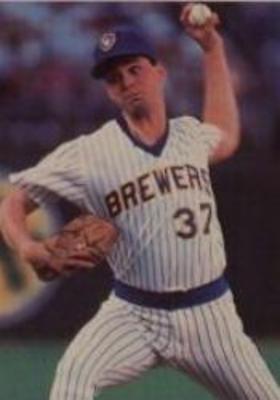 Plesac first came to attention when he was drafted by the Brewers in the first round in 1983. He got to the Majors in 1986 and established himself as a premier setup man and part-time closer. Plesac played in the All-Star game in 1987. He played in the All-Star Game in 1988. He played in the All-Star Game in 1989. After three more seasons with the Brewers Plesac spent two seasons with the Chicago Cubs, two seasons in Pittsburgh, parts of three seasons with Toronto and parts of two seasons with Arizona, had a second stint in Toronto for two more seasons, and finished his career with a two-season stretch in Philadelphia. Over his career he posted 65 wins, 71 losses, 158 saves, and 1,041 strikeouts. The proof is in the pudding though. Plesac was a setup man who stayed in the Majors for 19 seasons. Over those two decades he pitched in 1,064 games and maintained a 3.64 ERA over that time period.
Honorable Mention:
RF Jay Buhner, Seattle Mariners
Buhner got to the Major Leagues in 1987 with the Yankees and was traded in mid-1988 to the Mariners before being named to the Topps All-Rookie Team at the end of the year. He hit for the cycle in 1993. In 1995, he won a Player-of-the-Week Award and finished the season with 40 homers. In 1996, he participated in the Home Run Derby, played in the All-Star Game, finished the season with 44 homers, and won a Gold Glove Award. He hit 40 homers in 1997. He was suspended for two games in 1999 for participating in a brawl. He retired in 2001. Buhner finished his career with 310 home runs, the most ever by a player from Kentucky. Despite his great career Buhner was never considered to be a Hall of Famer and he didn't make the cut for this list either.
RF Jeromy Burnitz, Milwaukee Brewers
Burnitz first gained attention when he was drafted in the first round by the Mets in 1990. He continued to draw attention in 1991 when he had a 30-30 season in the Eastern League. People continued to take note of the young Burnitz in 1992 as he emerged as a top prospect. Burnitz spent two seasons in the Majors with the Mets before he was sent to Cleveland for parts of two seasons. He landed in Milwaukee after his time in Cleveland came to an end. In 1999, he participated in the Home Run Derby, played in the All-Star Game and won a Player-of-the-Month Award. In 2001, he twice hit three home runs in a game and won a Player-of-the-Week Award. After leaving Milwaukee Burnitz returned to the Mets for parts of two seasons, had a cup of coffee with the Dodgers, and played one season apiece for Colorado, the Cubs, and Pittsburgh. He finished his career with 315 home runs but probably falls a notch below the Hall of Fame level and he wasn't good enough to make this list.
LF Ralph Kiner, Pittsburgh Pirates
Kiner's baseball career was delayed when he served in the U. S. Navy in the Pacific Theatre during World War II. He returned to the States and got to the Majors in 1946 with the Pirates. He hit 51 home runs in 1947. In 1948, he played in the All-Star Game and finished the season with 40 homers. In 1949, he played in the All-Star Game and finished the season with 54 homers. In 1950, he hit for the cycle, played in the All-Star Game, and finished the season with 47 homers. In 1951, he played in the All-Star Game and finished the season with 42 homers. He played in the All-Star Game in 1952. He was traded to the Cubs mid-season in 1953 and played in the All-Star Game that year. He spent another year with the Cubs and finished his career with a season in Cleveland. Kiner hit three home runs in a game four times in his career. He finished his career with 369 home runs, the most ever by a player from New Mexico. After he retired his number 4 was retired by the Pirates. He was inducted into the Hall of Fame in 1975. Despite his impressive credentials and place in Cooperstown Kiner didn't make the cut for this list.
Wednesday, November 9, 2011
110 Greatest Baseball Players
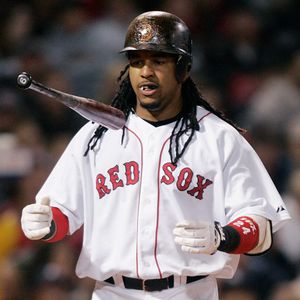
109. OF Manny Ramirez, Boston Red Sox
 Ramirez first came to prominence in 1991 when he was a first-round draft pick by Cleveland. Over the next three seasons he remained on the baseball radar as one of Cleveland's top prospects. In 1993 he cemented his reputation as a great Minor Leaguer by being named the Baseball America Minor League Player of the Year. He finally broke into the Majors in 1994, winning a Player-of-the-Week Award and being named to the Topps All-Rookie Team. In 1995, he participated in the Home Run Derby, won a Player-of-the-Month Award, and finished the season by winning a Silver Slugger Award. He won a Player-of-the-Week Award in 1997. In 1998, he hit three home runs in a game, played in the All-Star game, won a Player-of-the-Week Award, and finished the season with 45 homers. In 1999, he hit three homers in a game, played in the All-Star game, won a Player-of-the-Month Award, won a Player-of-the-Week Award, finished the season with 44 homers, and won a Silver Slugger Award. In 2000, he played in the All-Star game, won two Player-of-the-Week Awards, and won a Silver Slugger Award. In 2001 he signed with the Red Sox where cemented himself in baseball history. He started off his Red Sox career by playing in the All-Star game, winning a Player-of-the-Month Award, two Player-of-the-Week Awards, finishing the season with 41 homers and winning a Silver Slugger Award. In 2002, he played in the All-Star Game, won a Player-of-the-Month Award, two Player-of-the-Week Awards, won the AL batting title, and won a Silver Slugger Award. In 2003, he played in the All-Star game, won a Player-of-the-Week Award, and won a Silver Slugger Award. In 2004, he started out the season with the dubious distinction of being the highest paid player in the Majors before playing in the All-Star Game, finishing the season with 43 homers, winning the World Series with the Red Sox, being named the World Series MVP, and winning a Silver Slugger Award. In 2005, he played in the All-Star Game, won three Player-of-the-Week Awards, finished the season with 45 homers and won a Silver Slugger Award. In 2006, he played in the All-Star Game and won a Silver Slugger Award. In 2007, he played in the All-Star Game, won a Player-of-the-Week Award, and won the World Series with the Red Sox. In 2008, he won a Player-of-the-Week Award, played in the All-Star Game and hit his 500th career home run with the Red Sox before being traded to the Los Angeles Dodgers. He won a Player-of-the-Month Award in LA after the trade. He was suspended for 50 games with the Dodgers for failing a performance-enhancing drug test in 2009. It was later revealed that his name had been leaked to the New York Times as one of the 104 players who failed a drug test in 2001 before those results were sealed by a federal judge. He split a season between the Dodgers and Chicago White Sox before moving onto Tampa Bay, where he retired after a handful of games due to what was believed to be another failed drug test. Later on that summer he was arrested on domestic violence charges. When you look at Manny's career numbers you probably see a Hall of Famer, but with the way his career ended his chances of getting into the Hall are pretty limited. And what about those PEDs? Well his status on this list is determined by his on-field performance and empirical data. Without the drugs? He still would have had an excellent career and finished with borderline Hall of Fame numbers, and he certainly would have been looked at for inclusion on this list, but he probably wouldn't have made the cut, instead landing an honorable mention somewhere.
Honorable Mention:
1B Cecil Fielder, Detroit Tigers
Fielder started off his career with the Toronto Blue Jays. After four seasons of lackluster performance where he never truly conquered the Minor Leagues he had his contract sold to a team in Nippon Professional Baseball. He returned to the show the next season with the Tigers with a vengeance, participating in the Home Run Derby, playing in the All-Star Game, winning a Player-of-the-Month Award, two Player-of-the-Week Awards, finishing the season with 51 homers and winning a Silver Slugger Award. In 1991, he participated in the Home Run Derby, played in the All-Star Game, finished the season with 44 homers and won a Silver Slugger Award. In 1993 he participated in the Home Run Derby, played in the All-Star Game and won a Player-of-the-Week Award. He was the highest-paid player in the Majors in 1995. He started the 1996 season as the highest-paid player in the game again with the Tigers before being traded mid-season to the Yankees, where he won a World Series. He played another season in the Bronx and split a year between Anaheim and Cleveland before he retired. He hit three homers in a game three times. His son Prince is a Major League first baseman who is currently a free agent. Cecil finished his career with 319 homers, but that won't make the cut on this list.
LF Adam Dunn, Cincinnati Reds
Dunn first came to prominence as a top prospect in the Reds organization, a distinction he held in 2000 and 2001. In 2001 he split the season between AAA and the Majors, participating in the Futures Game on the USA Squad while in the Minors and being named to the Topps All-Rookie Team after being promoted to the Majors. In 2002, he played in the All-Star Game and won a Player-of-the-Week Award. He was suspended for two games in 2003 due to his participation in a brawl. He hit 46 homers in 2004. In 2005, he won a Player-of-the-Month Award and finished the season with 40 homers. He hit 40 homers in 2006. He hit 40 homers in 2007. In 2008, he was traded to Arizona mid-season and finished the year with 40 homers. He went to Washington in 2009, representing the USA in the World Baseball Classic during Spring Training. He hit three homers in a game in 2010. He spent last season with the Chicago White Sox. He has the dubious distinction o having struck out in over 30 percent of his at-bats as a professional throughout his career. Dunn isn't good enough to make our list yet and if he retired today he probably wouldn't profile as a Hall of Famer, but he's already hit 365 homers and he's only turning 32 next season.
3B Troy Glaus, Anaheim Angels
Glaus is a rare player who first became famous in high school after being named a High School All-American as an infielder in 1994. He represented the USA at the Summer Olympics in Atlanta in 1996. In 1997, he was named as a First-Team College All-American at UCLA and was drafted in the first round by the Angels. He emerged as a top prospect with the Angels in 1998. He won a Player-of-the-Week Award in 1999. In 2000, he played in the All-Star Game, finished the season with 47 home runs and won a Silver Slugger Award. In 2001, he participated in the Home Run Derby, won a Player-of-the-Week Award, finished the season with 41 homers and won a Silver Slugger Award. In 2002, he hit three homers in a game, was suspended for two games for participating in a brawl in Spring Training, won the World Series with the Angels, and was named the World Series MVP. In 2003, he played in the All-Star Game and won a Player-of-the-Week Award. He played a season in Arizona before moving onto Toronto in 2006, where he participated in the Home Run Derby and played in the All-Star Game. In 2007, he was inducted into the College Baseball Hall of Fame for his career at UCLA and won a Player-of-the-Week Award. He went to St. Louis in 2008, and in that same season it was revealed that he'd taken performance-enhancing drugs throughout his career. After another season in St. Louis, he moved onto Atlanta in 2010 where he won a Player-of-the-Month Award and finished his career. Glaus hit 320 home runs, but he doesn't profile as a Hall of Famer and doesn't make this list. Again the PED question arises. Without the drugs he probably wouldn't have been looked at for this list and wouldn't have gotten an honorable mention.
Honorable Mention:
1B Cecil Fielder, Detroit Tigers
Fielder started off his career with the Toronto Blue Jays. After four seasons of lackluster performance where he never truly conquered the Minor Leagues he had his contract sold to a team in Nippon Professional Baseball. He returned to the show the next season with the Tigers with a vengeance, participating in the Home Run Derby, playing in the All-Star Game, winning a Player-of-the-Month Award, two Player-of-the-Week Awards, finishing the season with 51 homers and winning a Silver Slugger Award. In 1991, he participated in the Home Run Derby, played in the All-Star Game, finished the season with 44 homers and won a Silver Slugger Award. In 1993 he participated in the Home Run Derby, played in the All-Star Game and won a Player-of-the-Week Award. He was the highest-paid player in the Majors in 1995. He started the 1996 season as the highest-paid player in the game again with the Tigers before being traded mid-season to the Yankees, where he won a World Series. He played another season in the Bronx and split a year between Anaheim and Cleveland before he retired. He hit three homers in a game three times. His son Prince is a Major League first baseman who is currently a free agent. Cecil finished his career with 319 homers, but that won't make the cut on this list.
LF Adam Dunn, Cincinnati Reds
Dunn first came to prominence as a top prospect in the Reds organization, a distinction he held in 2000 and 2001. In 2001 he split the season between AAA and the Majors, participating in the Futures Game on the USA Squad while in the Minors and being named to the Topps All-Rookie Team after being promoted to the Majors. In 2002, he played in the All-Star Game and won a Player-of-the-Week Award. He was suspended for two games in 2003 due to his participation in a brawl. He hit 46 homers in 2004. In 2005, he won a Player-of-the-Month Award and finished the season with 40 homers. He hit 40 homers in 2006. He hit 40 homers in 2007. In 2008, he was traded to Arizona mid-season and finished the year with 40 homers. He went to Washington in 2009, representing the USA in the World Baseball Classic during Spring Training. He hit three homers in a game in 2010. He spent last season with the Chicago White Sox. He has the dubious distinction o having struck out in over 30 percent of his at-bats as a professional throughout his career. Dunn isn't good enough to make our list yet and if he retired today he probably wouldn't profile as a Hall of Famer, but he's already hit 365 homers and he's only turning 32 next season.
3B Troy Glaus, Anaheim Angels
Glaus is a rare player who first became famous in high school after being named a High School All-American as an infielder in 1994. He represented the USA at the Summer Olympics in Atlanta in 1996. In 1997, he was named as a First-Team College All-American at UCLA and was drafted in the first round by the Angels. He emerged as a top prospect with the Angels in 1998. He won a Player-of-the-Week Award in 1999. In 2000, he played in the All-Star Game, finished the season with 47 home runs and won a Silver Slugger Award. In 2001, he participated in the Home Run Derby, won a Player-of-the-Week Award, finished the season with 41 homers and won a Silver Slugger Award. In 2002, he hit three homers in a game, was suspended for two games for participating in a brawl in Spring Training, won the World Series with the Angels, and was named the World Series MVP. In 2003, he played in the All-Star Game and won a Player-of-the-Week Award. He played a season in Arizona before moving onto Toronto in 2006, where he participated in the Home Run Derby and played in the All-Star Game. In 2007, he was inducted into the College Baseball Hall of Fame for his career at UCLA and won a Player-of-the-Week Award. He went to St. Louis in 2008, and in that same season it was revealed that he'd taken performance-enhancing drugs throughout his career. After another season in St. Louis, he moved onto Atlanta in 2010 where he won a Player-of-the-Month Award and finished his career. Glaus hit 320 home runs, but he doesn't profile as a Hall of Famer and doesn't make this list. Again the PED question arises. Without the drugs he probably wouldn't have been looked at for this list and wouldn't have gotten an honorable mention.
Subscribe to:
Posts (Atom)